
Why More People Are Choosing Family Dentists in Kakkanad for Complete Dental Care
Something has changed in the way families think about dental visits. A few years ago, many people in Kerala still treated dentistry as a reaction-based service. Pain came first. The appointment came later. Children were taken to one clinic, parents somewhere else, and orthodontic work somewhere entirely different. Records were scattered. Advice changed from doctor to doctor. People managed somehow.
Now the pattern looks different, especially around Kakkanad and the larger urban stretch of Kochi. More families are searching for a family dentist in Kochi, not because it sounds modern or fashionable, but because managing dental care across multiple age groups has quietly become exhausting. School schedules, work pressure, traffic, recurring treatments, aging parents — eventually, convenience starts mattering almost as much as treatment itself. And family dentistry sits exactly in that space.
Not dramatic. Just practical.
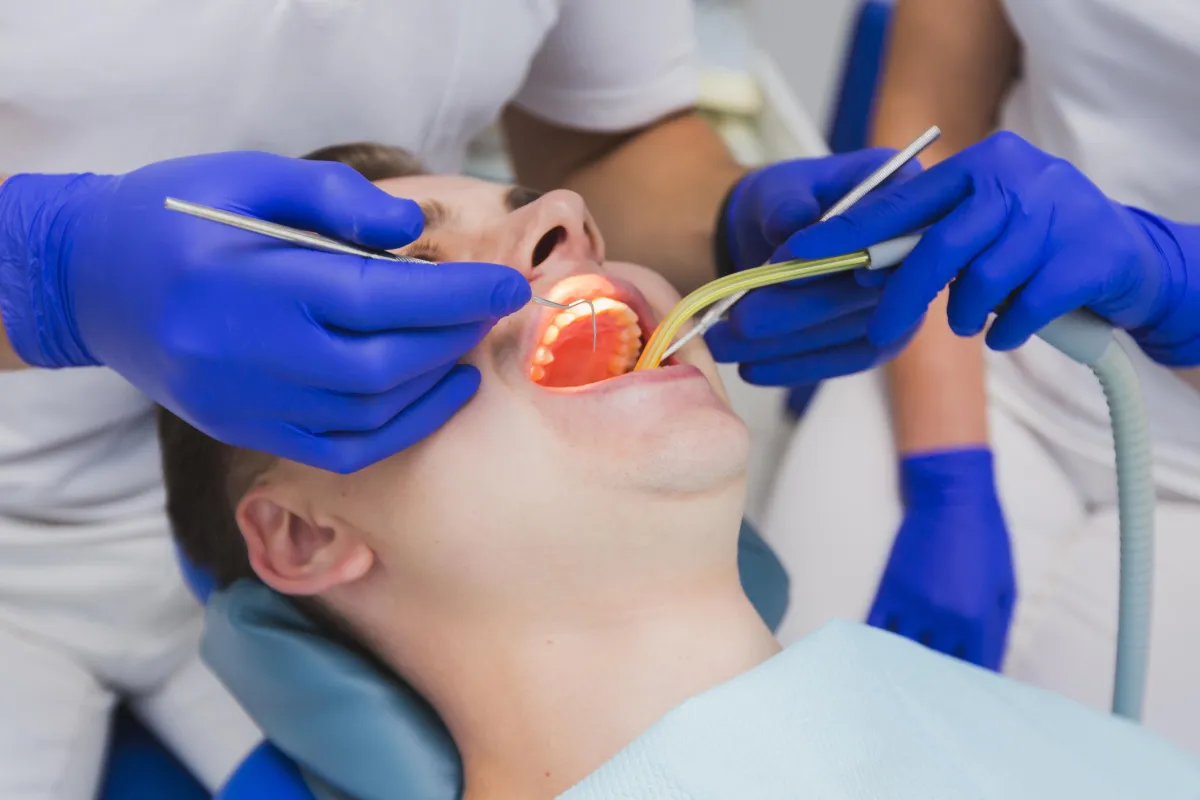
One Dentist, One Long Memory
There is a certain comfort in being treated by someone who already knows the family history before the conversation begins. A child who was nervous at six grows into a teenager needing braces. Parents who initially came only for cleanings begin asking about gum issues or missing teeth. Grandparents may need dentures or regular monitoring for diabetes-related oral complications. Over time, the relationship becomes less transactional. That continuity matters more than clinics sometimes admit.
A good family dentist in Kochi often notices patterns early because they see the same people repeatedly over the years, not just during emergencies. Small enamel wear. Habitual grinding. Receding gums. A child breathing through the mouth instead of the nose. Tiny things that may not look serious in isolation, but they accumulate.
And preventive care works best precisely there — before discomfort becomes expensive.
What are the benefits of preventive dental care?
The simplest answer is probably the correct one: prevention reduces bigger problems later. Regular cleanings, early cavity detection, gum monitoring, fluoride protection for children, bite assessments — these are not glamorous procedures. Most patients do not even talk about them afterward.
Still, preventive care often decides whether someone ends up needing complicated treatment five years later.
People tend to underestimate how slowly dental problems develop. Tooth decay rarely appears overnight. Gum disease moves quietly. Even jaw alignment issues in children usually show signs long before parents recognize them.
In many cases, routine visits save both money and unnecessary stress.
Not perfectly, of course. Genetics, diet, smoking, diabetes, and medication use — all of these complicate things. But families who maintain regular checkups usually avoid the cycle of neglect followed by emergency treatment.
That cycle becomes tiring after a while.
Can children and adults visit the same dentist?
Increasingly, yes.
And many families now prefer it that way. Earlier, parents often assumed children required completely separate clinics forever. Sometimes they still do, especially for advanced pediatric cases. But modern family practices usually handle a broad range of care under one roof, including pediatric dentistry in Kakkanad alongside adult treatments. The advantage is less about efficiency and more about familiarity.
Children observe how parents interact with the dentist. Anxiety tends to reduce when the environment already feels known. A child who watches their father calmly sit through a cleaning appointment generally reacts differently than one entering an unfamiliar clinic alone.
Not always. Some children remain terrified regardless. But familiarity helps; it also simplifies follow-ups, treatment records, scheduling, and communication between the doctor and the family. That sounds like an administrative detail until someone tries coordinating appointments for four people during a working week. Then it becomes very real.
The Shift Toward Complete Dental Care
The phrase “complete dental care” gets used too loosely sometimes. Still, the broader idea is understandable. People no longer want separate referrals for every small issue if they can avoid it. A patient may begin with routine cleaning and later ask about whitening, aligners, gum care, implants, or smile design in Kakkanad. In older clinic models, that often meant moving between specialists and repeating the same consultations multiple times.
Now, many clinics attempt to keep those services connected. Part of this shift comes from technology, too. Digital dentistry in Kakkanad has changed how diagnostics and treatment planning happen inside clinics. Scans are faster. Imaging is clearer. Certain procedures that once required messy impressions or multiple visits now feel less cumbersome. Patients notice that difference immediately. Not because they care deeply about the equipment itself. Most do not; they care because shorter appointments and clearer explanations reduce uncertainty. That may be the real appeal.
How often should families visit a dentist?
Twice a year remains the common recommendation. But real life does not always cooperate with textbook schedules. Some people genuinely need more frequent visits — especially smokers, diabetic patients, orthodontic cases, or individuals with recurring gum problems. Others with stable oral health may go longer without major concerns, though dentists usually prefer regular monitoring anyway.
The bigger issue is consistency.
Families often postpone dental visits for surprisingly ordinary reasons: exams, travel, weddings, workload, financial hesitation, and fear of procedures. Months become years very quickly. Then small problems become invasive treatments. This is where a trusted family dentist in Kochi often changes behavior patterns over time. Familiarity reduces avoidance. Appointments feel routine instead of intimidating. That sounds minor.
It is not.
The Quiet Psychology Behind Family Dentistry
There is another reason this model keeps growing in Kochi, though clinics rarely describe it openly. People are tired of fragmented healthcare experiences.
Different doctors. Different opinions. Different records. Repeating the same explanations again and again. Many urban families now prefer continuity wherever possible—not only in dentistry but across healthcare generally. A family dental setup creates a sense of long-term accountability. If a dentist has treated both parent and child for years, patients usually feel more comfortable asking practical questions without embarrassment:
What is the best dental care routine for families?
Is this treatment really necessary now?
Can we monitor this for a few months first?
Why does this cavity keep returning?
Those conversations become easier when trust already exists.
And trust, in dentistry especially, develops slowly.
Best dental care routine for families
The ideal routine is usually less complicated than social media makes it appear. Brush twice daily. Use fluoride toothpaste. Reduce constant snacking, especially sugary drinks, between meals. Replace toothbrushes regularly. Floss consistently, though many people pretend they do more often than they actually do. Children need supervision longer than parents assume,adults often ignore gum bleeding longer than they should.
And grandparents with diabetes or dry mouth issues usually require closer monitoring than anyone realizes.
Simple habits matter more than expensive products in most cases.
People occasionally spend heavily on cosmetic items while skipping routine cleaning appointments for years. The imbalance is surprisingly common.
Is family dentistry better for long-term care?
In many situations, yes, not because family dentists perform miracles. Good dentistry still depends on skill, honesty, patient cooperation, and regular follow-up. No clinic solves every problem perfectly. But long-term care improves when records, relationships, and preventive habits remain connected over time.
A family dentist in Kochi often becomes less like an occasional service provider and more like a consistent health reference point for the household. That continuity tends to improve communication, early detection, and treatment planning across different stages of life.
Especially for growing families. Especially in fast-moving urban areas like Kochi, where people already juggle enough fragmented systems every day. Sometimes the appeal of family dentistry is not really about dentistry alone. It is about reducing friction in ordinary life. And lately, that seems to matter more than people expected.
Why choose a family dentist?
The obvious reason is convenience. One clinic for parents, children, and sometimes even grandparents simplifies life in practical ways. But convenience alone probably does not explain the growing preference.
A family dentist sees patterns over time. That matters more than many patients realize. A child with crowded teeth may eventually need orthodontic monitoring. A parent with recurring gum inflammation may require long-term care instead of temporary fixes. Habits often run through families too — diet patterns, brushing routines, even anxiety around treatment. When the same dentist follows those patterns across years, care becomes more connected.
Not perfect. Just more informed.
There is also a quieter psychological side to it. Children usually react differently when they enter a familiar clinic environment instead of a completely new setting built around fear and uncertainty. Watching parents interact calmly with the dentist often reduces tension before treatment even begins. At least sometimes.
And that familiarity tends to build trust gradually, which is harder to achieve when every appointment happens in a different clinic.
Why are regular dental checkups important?
Most serious dental issues begin quietly. That is the uncomfortable part. Cavities rarely announce themselves early. Gum disease progresses slowly. Teeth grinding during sleep can continue for years before someone notices jaw pain or enamel damage. People usually seek help only after symptoms become impossible to ignore.
By then, treatment becomes longer and more expensive.
Regular dental checkups exist mainly to catch small problems before they grow into complicated ones. Cleanings remove plaque that brushing alone often misses. Dentists monitor changes in gum health, alignment, enamel wear, and hidden decay between teeth. Preventive care may sound routine, even boring. But it often determines whether someone needs a filling or eventually loses a tooth altogether.
That difference matters financially, too.
A trusted family dentist in Kochi usually encourages consistency rather than emergency-based visits. Over time, patients who maintain regular checkups often avoid the exhausting cycle of neglect followed by urgent treatment.
Not always. Genetics and lifestyle complicate everything.
Still, prevention usually works better than repair.
What services does a family dental clinic provide?
Modern family dental clinics handle far more than basic cleanings now. Most provide routine checkups, fillings, gum care, scaling, root canal treatment, crowns, bridges, dentures, cosmetic procedures, orthodontic evaluations, and children’s dental care under one roof. Some clinics also offer smile design for patients interested in cosmetic improvements rather than only functional treatment.
Children, especially, benefit from early dental monitoring. Clinics focusing on pediatric dentistry usually help parents manage cavities, thumb-sucking habits, fluoride care, and alignment concerns before they become harder to correct later.
Technology has changed things, too; many clinics now use digital scans and imaging systems as part of digital dentistry in Kakkanad, making diagnosis faster and treatment planning easier to explain visually. Patients may not care much about the machines themselves, but they do care when appointments become shorter and less uncomfortable. That part people notice immediately. The broader idea behind family dentistry is fairly simple: fewer referrals, fewer disconnected records, fewer repeated explanations.
How to maintain healthy teeth for the whole family?
Most families already know the basics.
The challenge is consistency.
Brush twice daily using fluoride toothpaste. Replace toothbrushes regularly. Limit sugary snacks between meals. Drink enough water. Floss more often than most people currently do. Regular cleaning appointments matter too, even when nothing feels wrong.
Children usually need supervision longer than parents expect. Many brush quickly without cleaning properly near the gums. Adults, meanwhile, tend to ignore early warning signs like bleeding gums or sensitivity because the discomfort still feels manageable.
Until it does not.
One interesting thing dentists often notice is how family habits spread almost unconsciously. If parents postpone checkups repeatedly, children usually grow up treating dental care the same way. If oral hygiene becomes routine inside the household, the opposite often happens.
And honestly, expensive products rarely compensate for poor habits. Fancy whitening kits cannot fix years of neglected gum care.
Where can I find a trusted family dentist in Kakkanad?
People usually search for different things when choosing a dentist. Some prioritize experience. Others focus on child-friendly environments, appointment flexibility, modern equipment, transparent communication, or proximity to home. Increasingly, families want all of those things together, which is probably why the idea of a Family Dentist in Kochi continues growing around Kakkanad.
Trust builds slowly in dentistry.
Patients remember whether a dentist explained procedures clearly. Whether treatments felt rushed. Whether unnecessary procedures were pushed aggressively. Whether children were handled patiently instead of mechanically. Those details matter more than advertising language.
A reliable family dental clinic should ideally provide preventive care, restorative treatment, children’s services, cosmetic options, and long-term follow-up within a consistent environment. The goal is not only to fix isolated dental problems. It is maintaining oral health across different stages of life without constantly starting over with new providers. And for many families in Kakkanad now, that continuity feels worth holding onto.
Contact Address
Dr. Terry's Dental Solutions
HIG - 21, Surabhi Nagar, Kakkanad, Kochi Kerala 682030
Phone Number
0484 242 6915
Assistance Hours
Mon - Sat 9:30am - 7:00pm
Sunday - CLOSED
Branch
Edathottiyil Speciality Dental Clinic
4G79+228, Kuruppampady,
Kerala - 683545
Phone Number
+91 99616 51115


© 2026 Dr. Terry's Dental Solutions. All rights reserved.
© 2026 Dr. Terry's Dental Solutions.
All rights reserved.